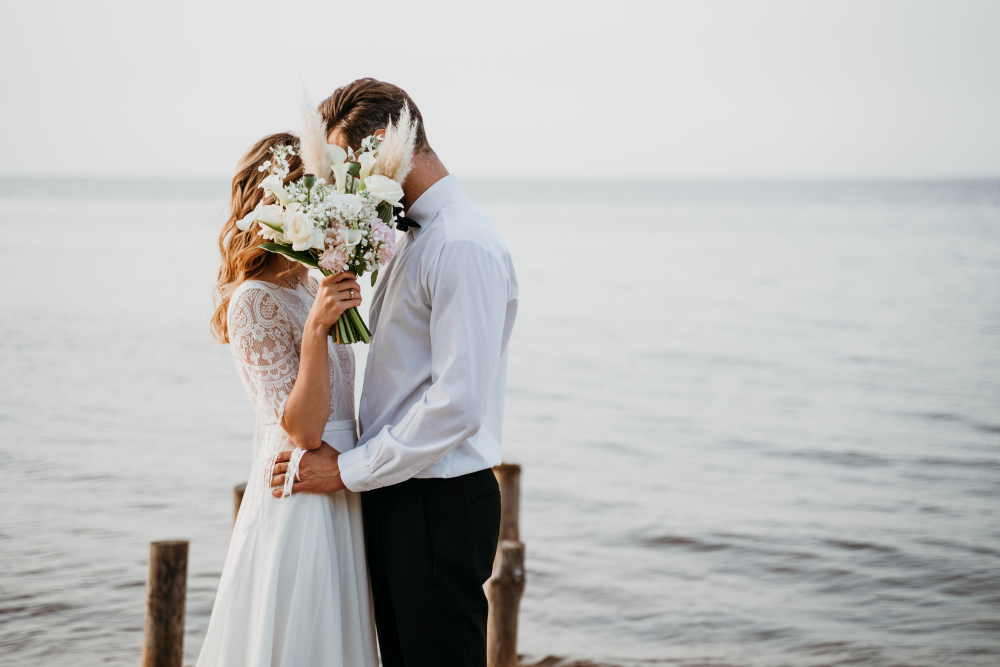
Photography is more than capturing a moment in time. The most powerful images speak to us. They make us feel something, remember something, or imagine ourselves in a different place. At its core, photography is storytelling, and every image has the potential to tell a story if we learn how to see it that way.
The Power of Intention
A good story begins with intention. Before you even lift your camera, ask yourself: What do I want people to feel when they see this photo? Is it joy, nostalgia, wonder, or maybe quiet reflection? That clarity of intention guides everything from the composition to the choice of light.
Capturing Emotion
Faces, body language, and small details often reveal more than words. A child’s curious gaze, a couple’s intertwined hands, or the quiet calm of a deserted street can each speak volumes. Look for those moments of genuine expression. They connect the viewer to the subject in a way that feels real and memorable.
Using Light to Shape the Narrative
Light is one of the most important tools a photographer has. Bright sunlight can make a scene feel cheerful and alive, while soft, diffused light may create a sense of intimacy or calm. Shadows can add mystery, and dramatic contrasts can heighten emotion. Think of light as the tone of your story.
Composition as Structure
The way you frame a shot gives structure to your story. Leading lines can guide the viewer’s eye, while negative space can create a sense of isolation or peace. Placing your subject off-center can spark curiosity, while symmetry often feels harmonious and balanced. Composition is like the grammar of your visual storytelling.
Details that Matter
Sometimes the most powerful images are not the wide shots, but the small details. A raindrop on a window, the worn leather of a favorite chair, or the half-smile that appears when someone is lost in thought. These details give depth and layers to your story, inviting viewers to look closer.
Telling Your Own Story
Every photographer has a unique perspective shaped by their experiences and vision. Lean into that. Your story is not only what you capture, but how you choose to capture it. Whether you are documenting travel, family moments, or city life, your voice behind the lens is what makes your images stand out.
Final Thoughts
Great photography is not about technical perfection alone. It is about connecting with your subject, being intentional with your choices, and using every element available to tell a story. The next time you pick up your camera, ask yourself: What story am I telling?